

Hoi An Flood Season: What Happens in October and November
Every October, someone in a Hoi An travel forum asks whether they should cancel their trip because the Old Town is underwater. And every October, someone who lives here replies with a photo of a cafe serving coffee to customers in a rowboat. Both of them have a point. The real picture sits in between - not a wash-out, not a non-event.
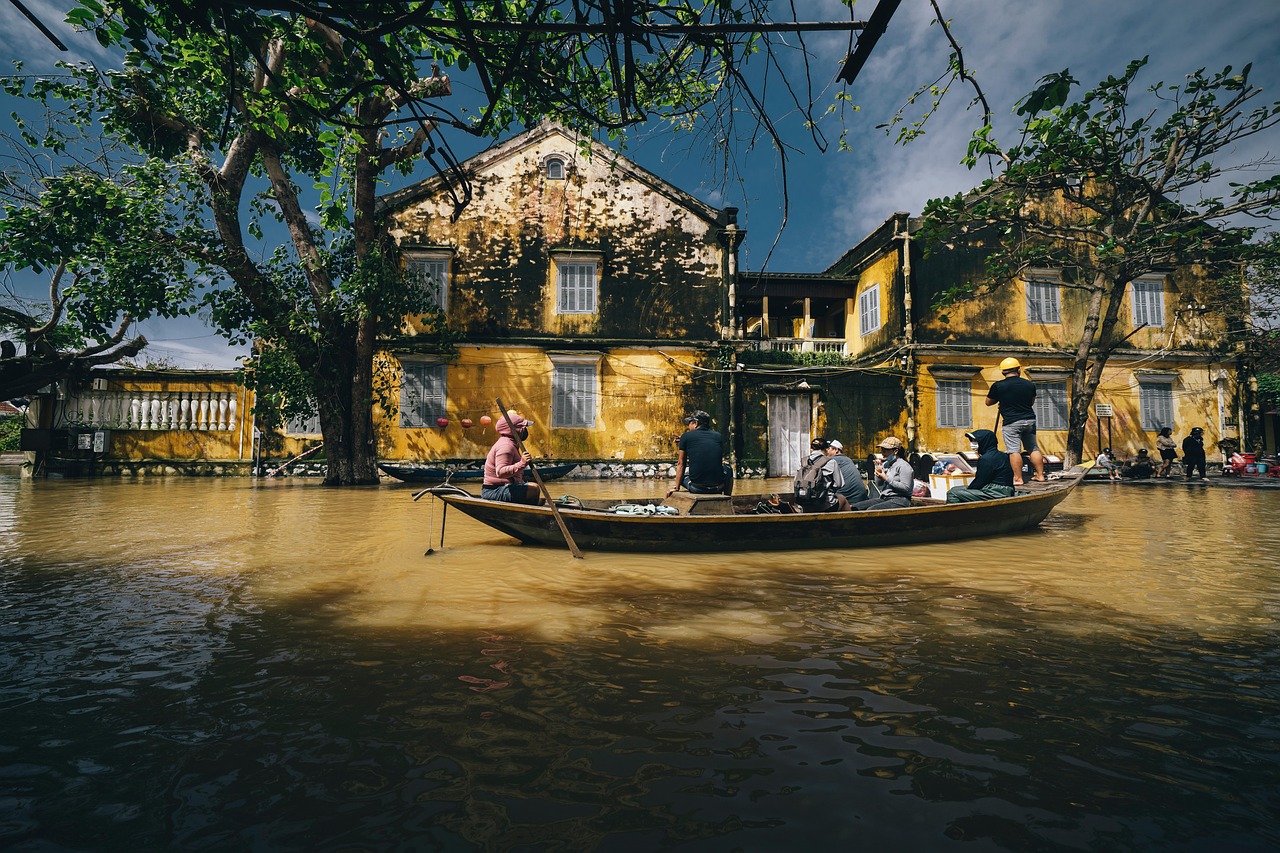
Hoi An floods most years. Not puddles - the Thu Bon River rises up through the town, Bach Dang Street goes under first, and for a few days the lanes nearest the river are navigable by boat. The town is built for it, the locals are drilled at it, and it usually recedes within a week. Here is what the record actually says, and what it means for your dates.
How bad does it get? The record just moved
On October 30, 2025, the Thu Bon River at the Cau Lau gauge peaked at 5.62 metres - 14 centimetres above the 1964 benchmark, making it the highest water level in roughly 60 years. Some areas of central Vietnam recorded 500 to 700 mm of rain in the days before, and more than 16,500 houses across the region were inundated.
In Hoi An itself, water in the Hoai River (the stretch of the Thu Bon that fronts the Old Town) rose nearly 2 metres, and around 40,000 tourists were moved between hotels as ground floors went under. The Guardian ran a photo gallery of the Old Town looking like Venice, which is accurate as long as you remember Venice does not have a current.
Keep the scale in mind, though: 2025 was the worst flood in six decades. A normal year means a day or two of knee-to-waist water on the streets closest to the river, then a cleanup that the whole town has down to a routine.
Why a 400-year-old town keeps flooding
Hoi An exists because of the river - it was the port where the Thu Bon meets the sea, which is also precisely where you do not want to be standing when the river is angry. The town sits low on a delta, and the geography has not improved with age.
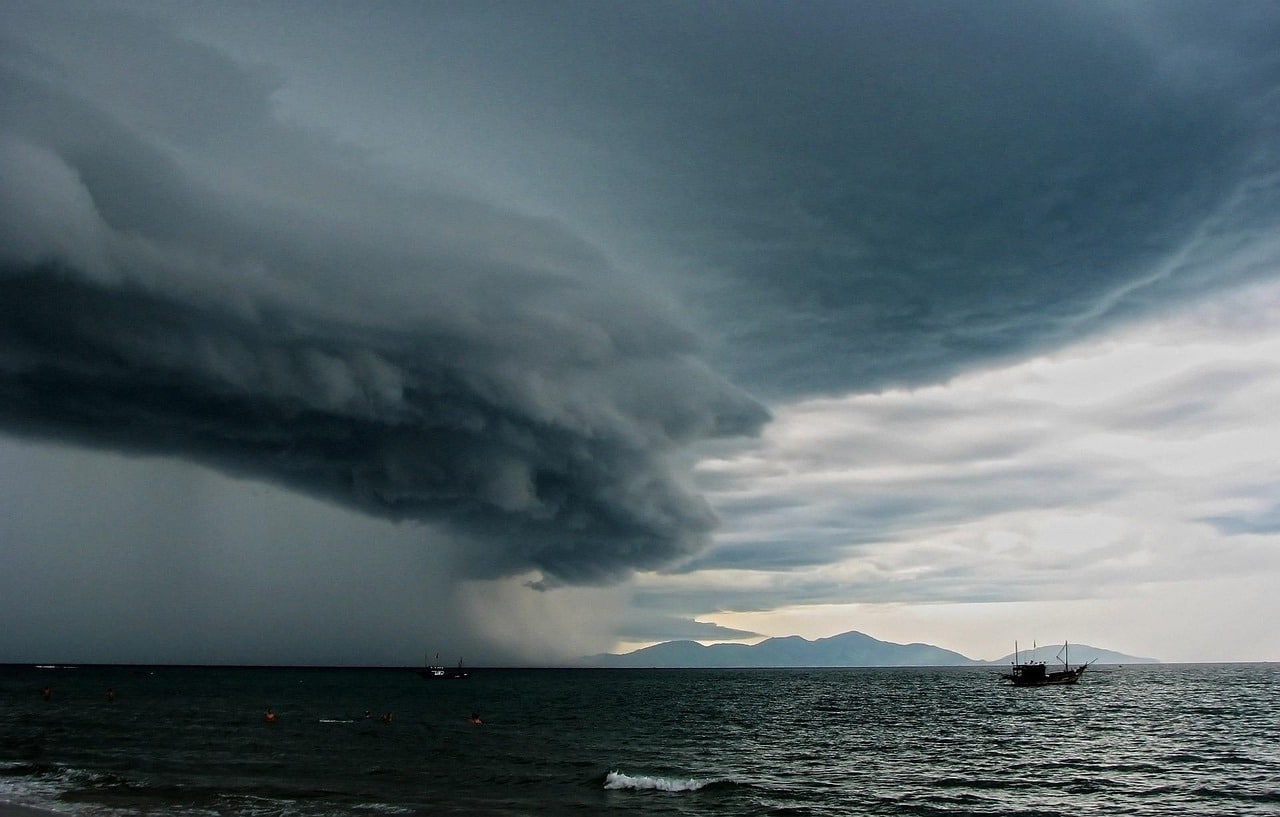
The city's own planning documents budget for around ten typhoon-and-flood events hitting the central coast in a typical year. When a big rain event lands, upstream hydropower dams on the Vu Gia and Thu Bon release water to protect themselves, which stacks on top of whatever is already falling from the sky. That combination - typhoon rain plus dam releases - is what produced the 2025 record.
The flood calendar
The pattern is consistent enough to plan around:
- February to August - dry season. Flooding is off the table; your problems are heat and crowds instead.
- September - the risk window opens. Usually fine, occasionally a preview.
- October and November - peak flood season. This is when the river comes up, when it comes up at all. Assume at least a day or two of high water if you book these months.
- December - tapering. Rain continues, serious flooding gets rarer.
- January - cool and grey, but the river behaves.
What it means for an October or November trip
Do not cancel. Do book like an adult:
Book flexible, insure the trip. In 2025, 40,000 people got shuffled between hotels in a single week. The ones with flexible bookings and travel insurance had an anecdote; the ones without had an expense.
Skip ground-floor riverfront rooms. The riverfront is the best address in town for eleven months a year and the worst one in a flood. Book near the Old Town rather than on the water, or stay out toward the beach - our where to stay guide covers the areas.
Pad your transfers. Roads between Da Nang and Hoi An can close briefly at peak water. If you have a flight the morning after a big rain event, leave margin - the 30km transfer is normally 45 minutes, but not that week.
Follow the hotel's lead. Hoi An hoteliers have relocated guests through every flood since the 1990s. If they say move, move; they are not being dramatic.
If you are there when it happens
The strange truth is that a moderate flood is one of the more memorable things that can happen to your trip. Locals pole boats down Bach Dang Street, kids get ferried to school, cafes on the second floor keep serving with the town reflected in the water below.

Ride the boats, take the photos - and stay out of the water itself. Floodwater here carries a current near the river, plus everything a town's worth of drains can contribute. Photograph from bridges and upper floors, not from mid-thigh.
One more thing to know: the recovery is partly funded by you. The city reserves 50-70% of Old Town ticket revenue specifically to help owners of the 1,273 protected heritage buildings repair flood and storm damage - 84% of those buildings are private family homes. If you ever needed a reason to buy the ticket without grumbling, the week after a flood is it.
Frequently asked questions
Should I cancel an October trip to Hoi An?
No, but book refundable rooms and carry travel insurance. Most Octobers bring a day or two of high water at worst, and the town reopens fast. The 2025 record flood - the worst in 60 years - still had tourists back on the streets within days.
What was the worst flood in Hoi An's history?
By river level, October 30, 2025: the Thu Bon peaked at 5.62 metres at Cau Lau, 14 centimetres above the previous record from 1964. Around 40,000 tourists were relocated between hotels.
Is the Old Town closed during floods?
The streets nearest the river close to foot traffic while the water is up, and heritage sites in the flood zone shut until cleanup. The rest of town - and the beach side - carries on. Full closures rarely last more than a few days.
Which months are safe from flooding?
February through August. September is usually fine, October and November are the risk months, December tapers off. For the broader weather picture see our Hoi An FAQ.
Related Hoi An guides
- Where to stay in Hoi An - which area suits your trip
- Hoi An Old Town tickets - prices, sites and scams
- An Bang Beach - what to expect and how to make the most of it