

Hai Van Pass: The Hoi An to Hue Motorbike Route
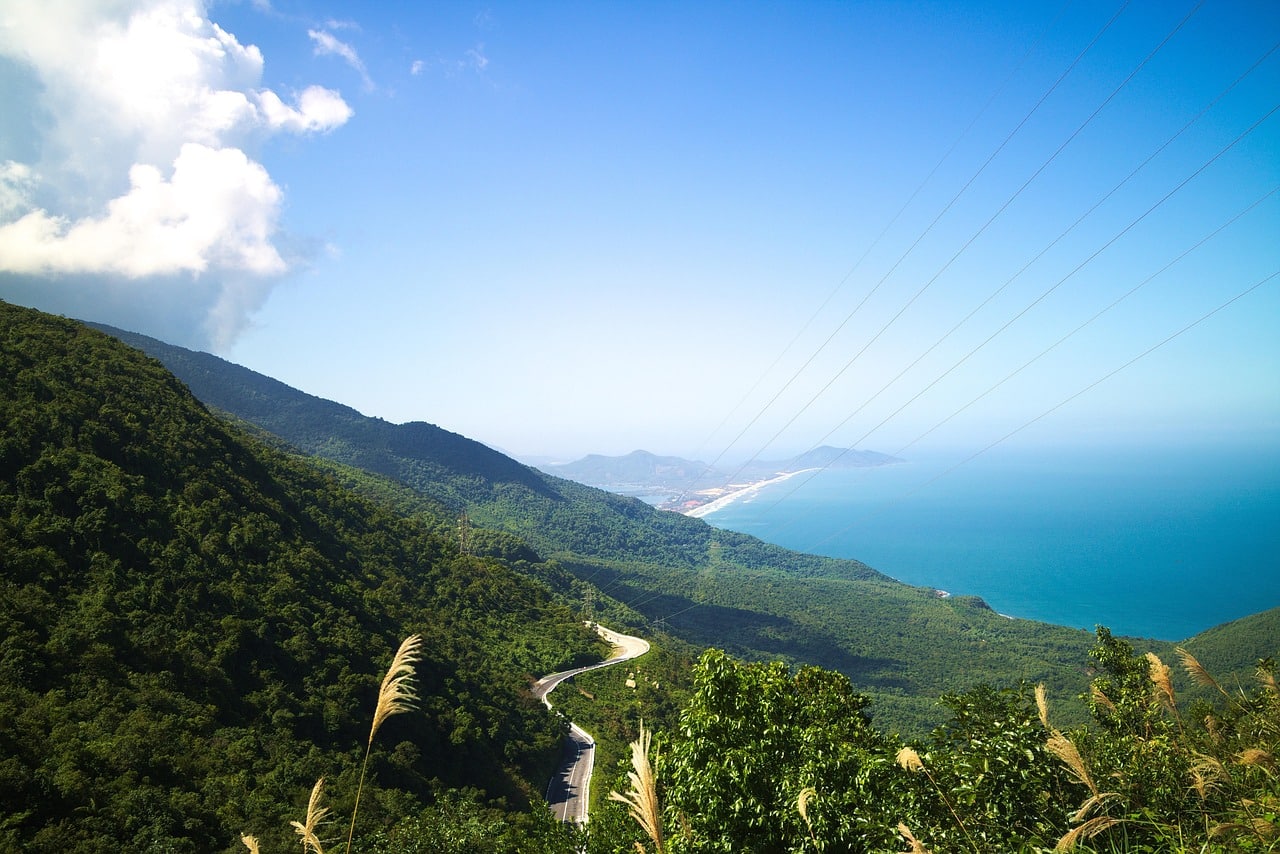
The Hai Van Pass is the 21-kilometre mountain road that crosses the Truong Son range between Da Nang and Hue, hugging the coast at one of its most photogenic points. Jeremy Clarkson rode it in 2008 and called it "a deserted ribbon of perfection - one of the best coast roads in the world," and most visitors doing it from Hoi An today are chasing that clip, knowingly or not.
It tops out around 500 metres, bends through a series of hairpins, passes French- and American-era bunkers, and drops to the coast on the Hue side. The Hai Van Tunnel took the truck and bus traffic in 2005, so riding the pass now is an experience, not a nightmare - the road is largely yours.
One honest note, since we've ridden it three times: it's not the untouched ribbon Top Gear filmed. The cove at the Da Nang end is now a graded construction site for the Lang Van project, a 512-hectare Vinpearl resort that broke ground in 2025 and will run until at least 2027. Still worth riding - just adjust the postcard in your head.
How to ride it
Four ways to do the pass, in order of how I would do it. As a day trip from Hoi An: most riders turn around at the summit (3-4 hours round trip with stops), some continue to Lang Co Beach and back (5-6 hours), and a smaller set rides the full 130 km to Hue, drops the bike, and buses or trains back (a full day, occasionally two). For the full turn-by-turn on the road itself, Vietnam Coracle has the deepest writeup around.
Easy Rider tour. A local guide rides the bike; you sit on the back or in a small sidecar. The most common option for visitors who don't ride, or who do but aren't comfortable with the road. The guide handles navigation, conditions and photo stops; you take in the view. Hoi An Easy Rider and Motorbike Tour is the long-running operator with the most consistent reviews. Reckon on USD 46-55 per person for a one-way Hoi An-to-Hue run with bag transfer.
Self-drive motorbike (round trip). Best for confident riders who want their own clock. Rent a 110cc semi-automatic or a 150cc manual from a Hoi An shop (around 200,000-300,000 VND for the day), ride up, ride back. Hoi An Motorbike Private Tours is one of the directory rental and tour operators.
Self-drive with one-way drop. The best version if you don't want to double back: rent a bike at one end, ride the pass, and drop it at the other while your bag follows in a support van. Operators built around exactly this run include Trace Travel (we used them and they were great), Style Motorbikes and Hoi An Bike Rental. Around 600,000-900,000 VND including the bag transfer. Only for riders comfortable with a 130 km solo day in central Vietnamese traffic.
Private car with driver. Less interesting visually because you're inside a car, but the right call if a passenger has motion sickness, knee problems, or no interest in the experiential side. Around 1.4-1.8 million VND for a Hoi An to Hue private car via the pass, including stops.
The train deserves a mention too: the railway runs the seaward side of the pass, including a long stretch where the line sits on a cliff above the South China Sea - a different angle on the same scenery.
Which direction to ride
Direction matters for the photos. The money shot - the road stacking back on itself with the sea beyond - is on the Da Nang side, and you frame it best descending into it rather than climbing away from it. So if the photo is the point, get yourself to Hue first and ride the pass southbound back to Hoi An.
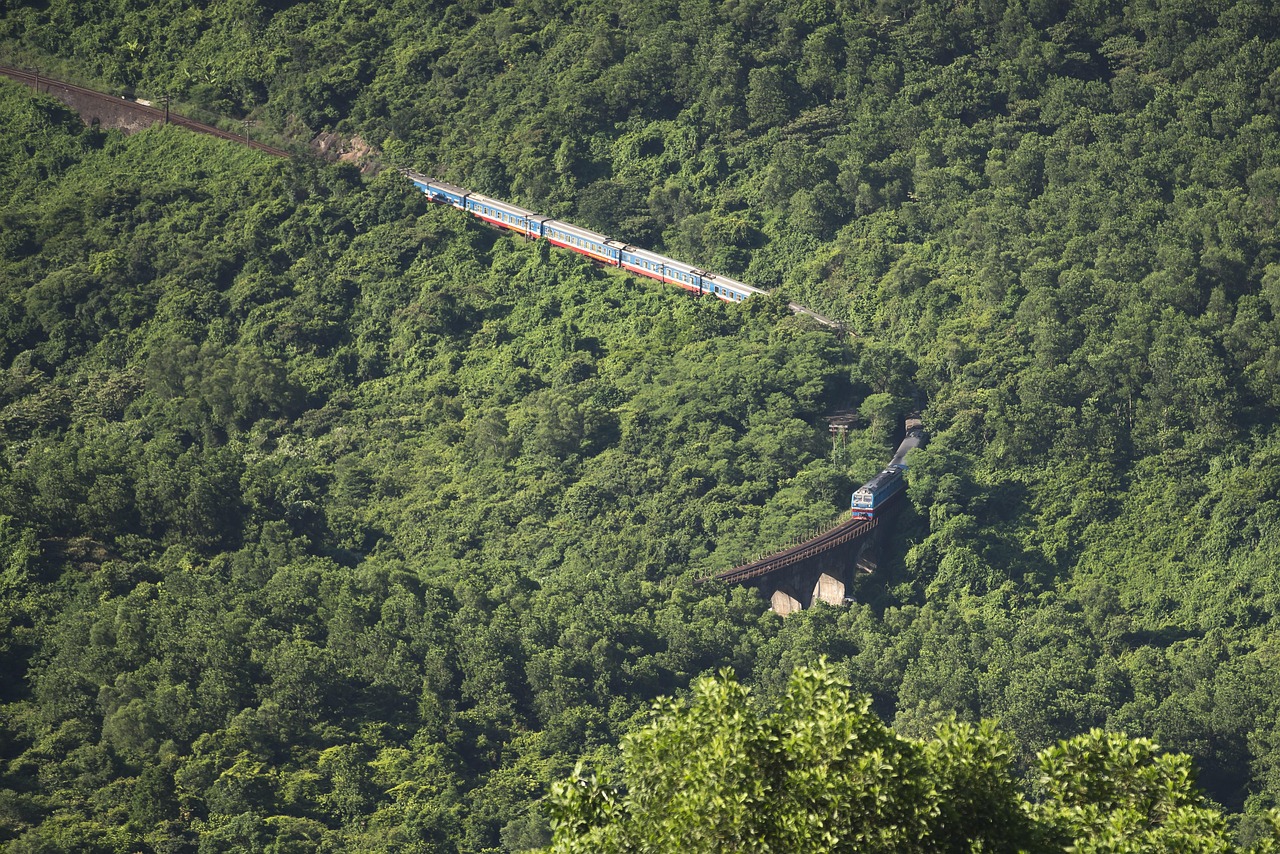
If you'd rather ride north to Hue and not double back, do it one-way and return on the Da Nang-Hue heritage train, which hugs the seaward cliffs the road can't reach. Same scenery, second angle, no backtracking. Either way, the easiest way to line up the Hoi An-Hue logistics - bus, train or transfer - is to book the leg you're not riding ahead of time.
Stops along the way
Lang Co Beach. The crescent of white sand on the Hue side at the foot of the descent. Lunch stops here are standard: seafood at one of the beachfront restaurants, around 200,000-350,000 VND per person for a full meal. Worth a 30-45 minute break.
Hai Van Quan gate. The 19th-century stone fort at the summit, with views back toward Da Nang on one side and Hue on the other. It reopened in August 2024 after a three-year, 42-billion-VND restoration, and you can walk the ramparts; the adjacent pillboxes are American-era from the war. Entry is free for now, though the local authorities have floated introducing a ticket. A 20-30 minute stop.
Elephant Springs (Suoi Voi). Off the Hue side of the pass, a freshwater swimming hole with smooth stone formations that look like elephants from certain angles. Foreigners visiting independently usually pay around 50,000 VND all-in (entry plus insurance), and another 50,000 or so to use one of the riverside shacks. Worth a detour on a hot day; the cold water after the heat of the ride is its own argument.
The viewpoint pull-offs. A handful of scenic stops along the pass itself. The lookout 8 km up from the Da Nang side is the iconic frame: the road switching back below, Da Nang in the distance, the sea to the right - though the Lang Van earthworks now scar the coast below. The wait for clouds to clear can be long.
Lap An Lagoon. Past Lang Co on the Hue side, the shallow oyster lagoon where local farmers harvest at low tide. Best at sunrise or sunset; midday light is harsh.
Difficulty and road conditions
The surface is good - resurfaced in the early 2020s and one of the better-maintained mountain roads in central Vietnam. The challenges aren't the road itself.
The hairpins. Twenty-plus tight switchbacks. Inexperienced riders shouldn't attempt this solo; the turns need steady throttle and proper countersteering. If your only motorbike experience is the rental scooter you took to dinner in Bali last summer, hire an Easy Rider.
Trucks. The big rigs moved to the tunnel after 2005, but local delivery trucks and tour buses still use the pass. They corner wide. Stay in your lane on the inside of the turn.
Weather. Rain makes the road dangerous, and fog can drop visibility to the point you won't see oncoming traffic until it's on top of you. October through December is the worst window; check the forecast before committing.
Helmets and licences. This is where the draft most guides give you is wrong. You can legally ride here on a 1968-Convention International Driving Permit with a motorcycle endorsement, carried alongside your home licence - that combination is recognised in Vietnam. A bare foreign licence, or a 1949-Convention IDP, is not. And enforcement got materially stricter in 2025: police check at the foot of the pass, fines run roughly 1,000,000-4,000,000 VND, and since January 2025 they can impound the bike for seven days. Easy Rider tours sidestep all of it - the guide is licensed and insured.
Best time of year
February through May is the most reliable window: dry, warm but not yet brutal, clear views from the summit. June through August is hot and humid - mornings only. September through January is monsoon season with frequent rain and fog, and October through December specifically is the period to avoid.
Time of day matters too. Mornings (8-10 a.m.) are clearest; afternoons (2-5 p.m.) tend to cloud over from the sea side.
Booking and what to expect
For Easy Rider tours, the standard package is a half-day Hai Van round trip from Hoi An (4-5 hours) or a full-day Hoi An to Hue with your bag dropped at the Hue hotel. Book a day or two ahead in high season; same-day is usually fine in low season.
For self-drive rentals, walk into any Old Town rental shop the day before. Most accept a passport copy as collateral - do not leave your actual passport, whatever the shop asks.
For more day-trip options out of Hoi An, see all day trips from Hoi An.
Frequently asked questions
How long is the Hai Van Pass, and how far is it from Hoi An?
The pass itself is about 21 km, topping out near 500 m. From Hoi An it's around 130 km one-way to Hue over the pass. As a round trip to the summit and back, budget 3-4 hours with stops; to Hue and back is a full day.
Can foreigners legally drive the Hai Van Pass on a motorbike?
Yes, if you carry a 1968-Convention International Driving Permit with a motorcycle endorsement alongside your home licence. A bare foreign licence isn't recognised. Enforcement tightened in 2025 - fines of 1-4 million VND and a possible seven-day impound - so ride legal or take an Easy Rider tour, where the guide is licensed.
Should I ride the Hai Van Pass myself or take an Easy Rider tour?
If you're a confident rider comfortable with twenty-plus hairpins in central Vietnamese traffic, self-drive. If not, take an Easy Rider - a guide rides and you ride pillion. The road's hairpins and the occasional wide-cornering bus are the reason it's not a beginner ride.
Which direction gives the best views?
Southbound. The iconic switchback view is on the Da Nang side, and you frame it better descending into it than climbing away. Get to Hue first and ride back to Hoi An, or ride north and return on the scenic Da Nang-Hue train.
When is the best time to ride the Hai Van Pass?
February through May - dry, clear, and warm without being brutal. Avoid October through December, the wettest and foggiest stretch. Whatever the month, ride in the morning, when the summit is clearest.
Related Hoi An guides
- My Son Sanctuary - the Cham ruins day trip
- Ba Na Hills & the Golden Bridge - cable car and the giant hands
- Marble Mountains - caves and shrines, 20 minutes north
- How to Get to Hoi An - flights, trains, and the last 30km