
Best Things to Do in Hoi An: What’s Actually Worth Your Time
The narrow streets smell like grilling pork and incense. Bicycle bells ping behind you as someone weaves past with a basket of baguettes. By evening, the lantern-lit streets along the Thu Bon River turn the whole old town into something from a film set – except the food is better and the tailors are actually making your suit.
Hoi An is touristy. That’s not an apology; it’s a fact. Millions of visitors a year pass through this small town on Vietnam’s central coast, and you’ll feel it at noon on Tran Phu Street when the tour buses empty out. But the town earns the attention. The food is exceptional. The architecture is real. The tailors know what they’re doing. And if you time it right, you can still find the quiet corners.
Most guides to things to do in Hoi An were written by someone who spent three nights here. What follows is not everything that exists – it’s what’s actually worth your time, in what order, and what you can skip.
The Ancient Town – do it early, not at noon
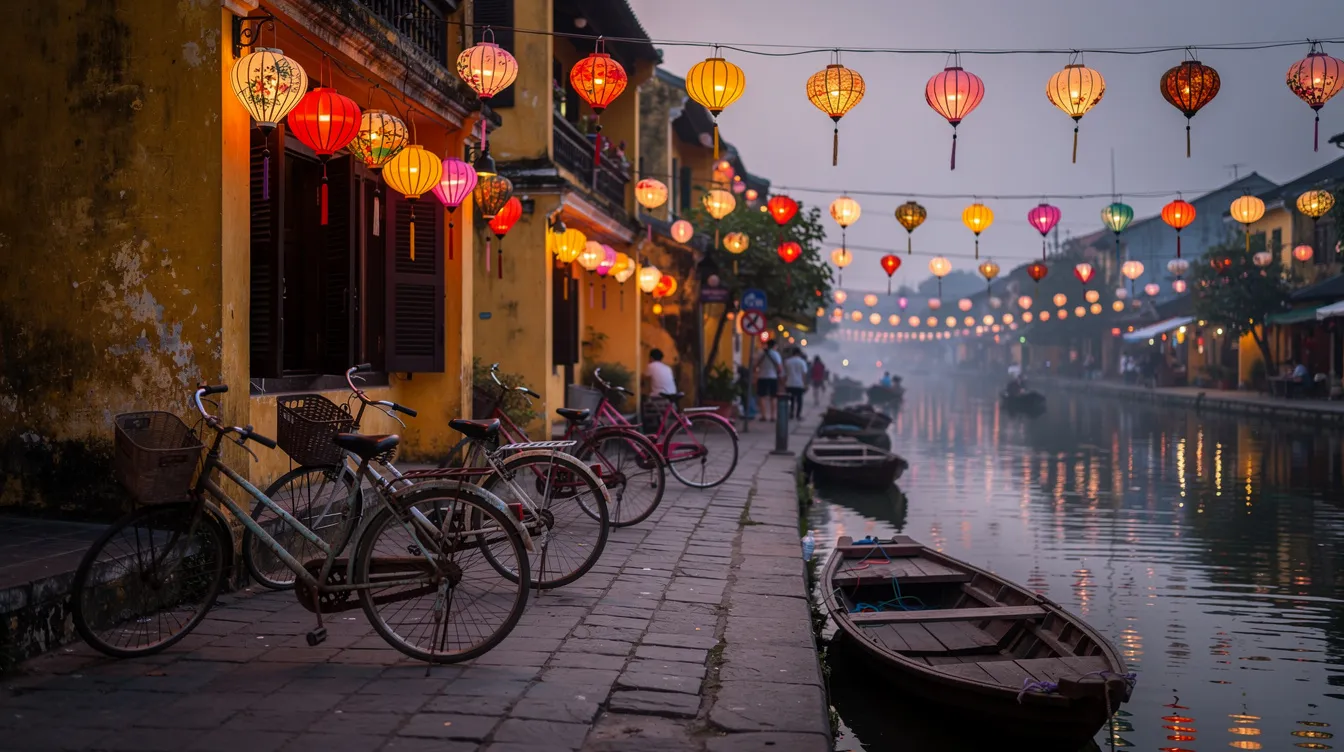
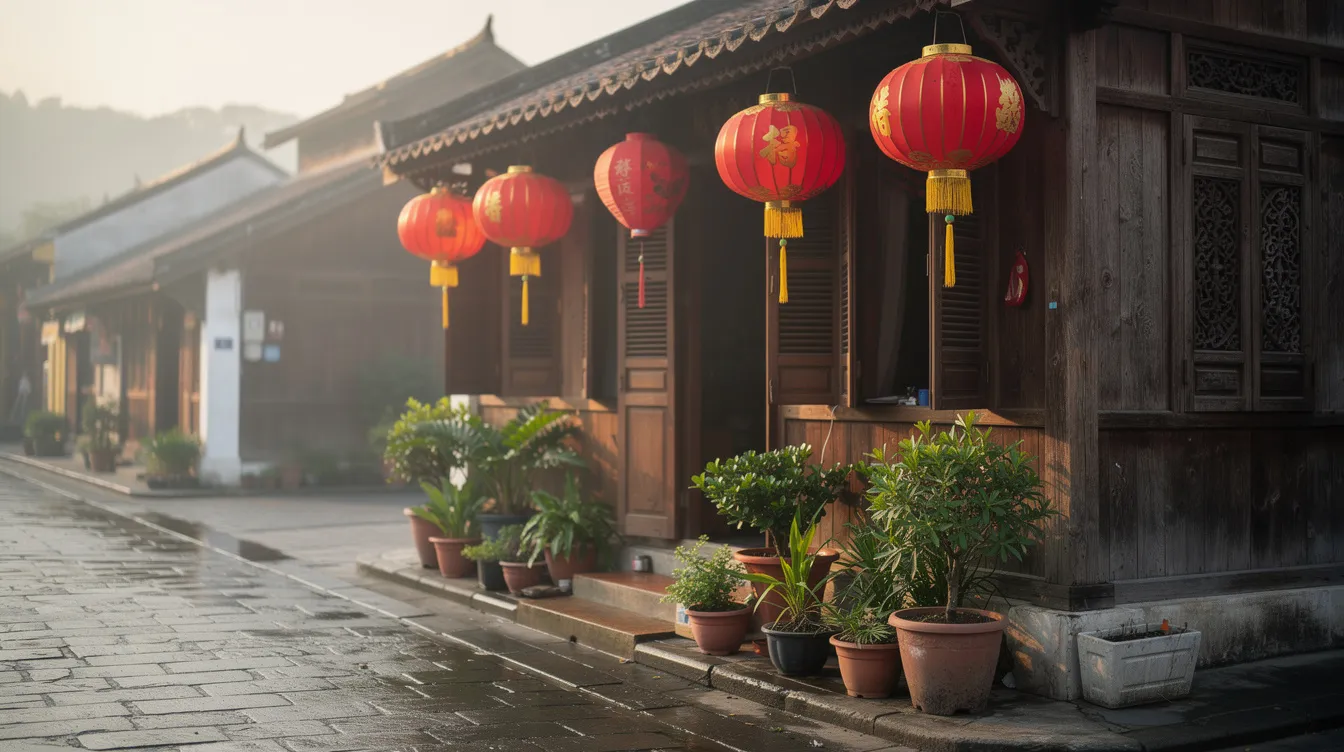
The Hoi An Ancient Town is a UNESCO World Heritage Site, and it looks like one. Over 800 historic buildings – shophouses, assembly halls, temples – survived centuries of monsoons and wars. The architecture blends Chinese, Japanese, and European influences from the town’s trading port days in the 15th through 19th centuries. It’s the real thing.
The heritage ticket costs 120,000 VND (about $5 USD) and gets you into five paid sites of your choice within 24 hours. Buy tickets from the yellow wooden booths around the perimeter.
Best uses of your five entries: Tan Ky House, a 200-year-old merchant home with original ancestor altars. Fujian Assembly Hall, with incense-filled courtyards and carved dragons. Quan Cong Temple, dedicated to a revered Chinese general, with bronze statues and festival energy if you time it right.
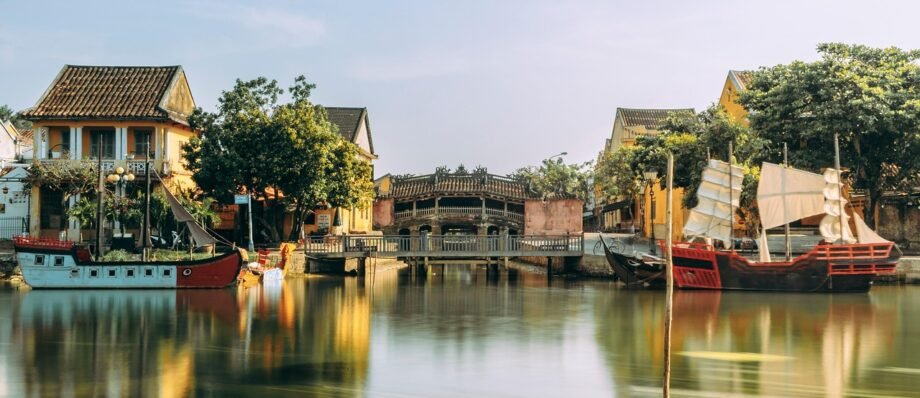
The Japanese Covered Bridge is worth seeing – built in the late 1500s by the Japanese community here, with stone dog and monkey guardians. Budget ten minutes, not an hour. The bridge exterior is freely viewable; the temple section inside requires one of your ticket entries.
Timing matters more than anything else in the Ancient Town. Go before 9am or after 4pm. Midday in summer means 35°C heat and the kind of crowd density that makes the narrow streets feel like a theme park. Early morning gives you natural light on bougainvillea-draped facades, locals cycling in conical hats, laundry drying on balconies.
Eat the actual local dishes
Hoi An’s food is the real reason to come here. The town’s history as a trading port meant Chinese, Japanese, and Cham influences fused into something distinct. You can find excellent Vietnamese food everywhere in Vietnam, but the local dishes here exist nowhere else.
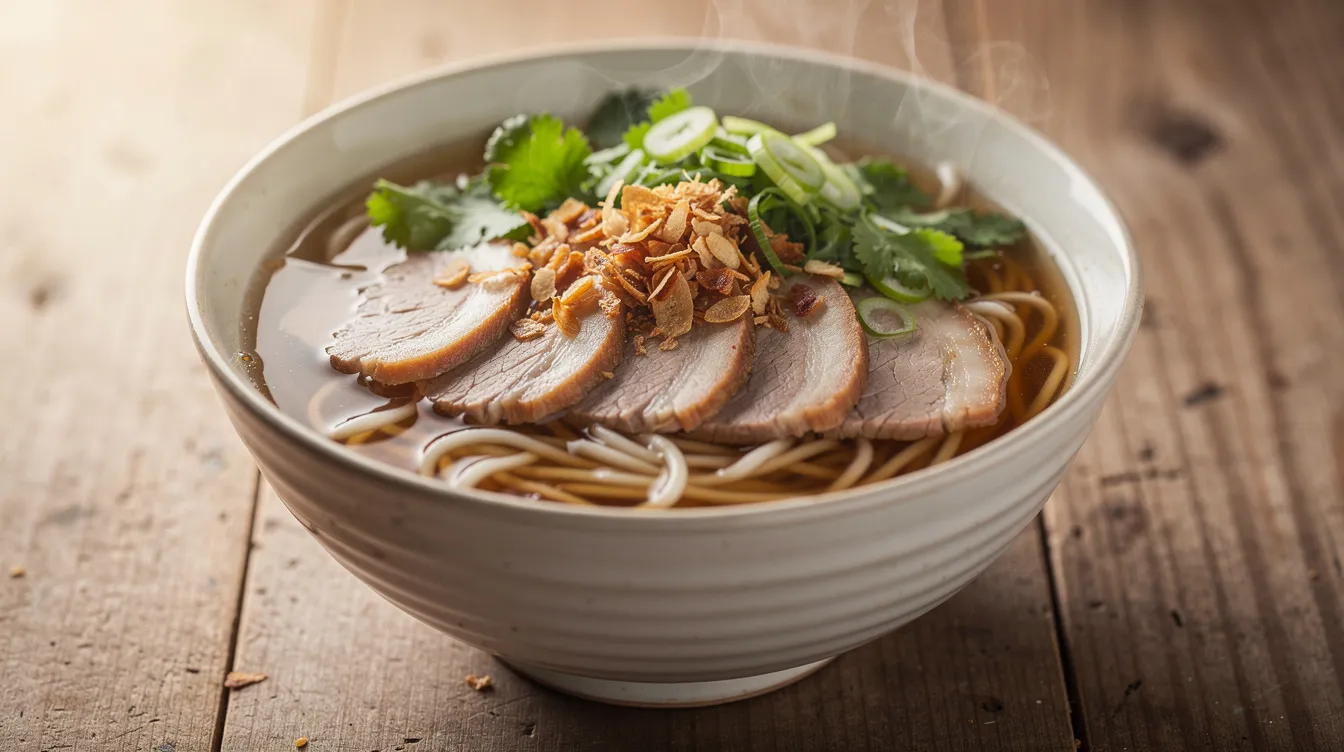
Cao lau is the signature. Chewy rice noodles, tender pork shoulder, fresh greens, crispy rice paper croutons, and a subtle broth made without fish sauce. The noodles are traditionally made with water from the ancient Ba Le Wells – Cham-era wells still in use in the Old Town. Find it at the central market or small spots on Tran Phu Street for 30,000-50,000 VND. Skip the restaurants marketing “authentic cao lau” to tourists at three times the price.
White rose dumplings come next – translucent rice dough encasing shrimp and pork, steamed until they look like flower petals. Pair them with hoanh thanh, wonton soup with pork dumplings in clear broth with garlic chives. These three dishes form the core of Hoi An’s food identity.
Banh Mi Phuong gained fame after Anthony Bourdain featured it on No Reservations. Crusty French baguette, pate, pork, pickled carrots, chili. The lines are famous – budget 15-20 minutes, more in peak season. Worth it once, at around 40,000 VND.
The local pick: Madam Khanh, the Banh Mi Queen, a few hundred meters away, shorter queues, and strong local following. If you have a week, try both. If you have a few days, Madam Khanh is the move.
One thing most visitors miss: Mot herbal tea. A cooling herbal infusion garnished with a lotus petal, 15,000-20,000 VND. Easy to overlook among the coffee stalls. Locals drink it for digestion in the heat.
Basket boat ride at Bay Mau coconut forest
This is shamelessly a tourist attraction. Your guide will spin you around in a circular basket boat to Gangnam Style. Do it anyway.
Bay Mau means “seven hectares” in Vietnamese – the original size of the forest when Mekong Delta migrants planted nipa palms here about 200 years ago. It’s now grown to over 100 hectares of waterways and dense palm groves along the tributaries of the Thu Bon River. During the Vietnam War, the forest served as a Viet Cong base – its dense canopy made it near-impossible to navigate without local knowledge. The basket boats that now spin tourists around once moved soldiers and supplies through the same waterways at night.
Book directly at the forest cooperative in Cam Thanh village rather than through your hotel. Hotels mark up 20-30%. Direct booking runs around $5-8 USD per person for 30-50 minutes.
Morning sessions between 8-10am have fewer boats on the water. Go in the morning. The boat ride is genuinely fun. Lean into the Gangnam Style spin.
Get something made by a tailor
Hoi An has over 300 tailors in the Old Town, a legacy of its historic silk trade. The tailoring scene is the real deal, not a gimmick.
Budget guidelines: a simple dress or shirt runs $15-25 USD. A suit costs $80-200 USD depending on fabric. Italian wools, Indian silks, and Vietnamese linens are all available.
Bring a reference photo – something from a brand you like, or a screenshot of exactly what you want. The tailors can replicate it with customization options mass retail can’t match: hidden pockets, adjusted torso length for taller frames, specific collar styles.
Allow at least 48-72 hours and two fittings. This is not negotiable. First fitting catches major issues; second adjusts seams for precision. Rushed 24-hour jobs risk puckering and uneven hems. If you’re getting a suit or a dress that matters, do it properly.
One warning: quality varies dramatically across 300+ shops. Real silk has a distinct sheen and weight that synthetics can’t match – burn test: real silk smells like burnt hair, synthetic melts into a hard bead. The Tailors & Shopping directory has vetted options.
Cycle to Tra Que and An Bang
Rent a bicycle for $2-3 USD per day from almost any guesthouse. The terrain around Hoi An is flat and the roads to the surrounding countryside are easy.
Head out early morning before the heat builds.
Tra Que Vegetable Village is 3km north, about 15 minutes of riding. The village has been farming organically for 400 years – established in the 17th century on a small river island, growing herbs and vegetables using river algae from the Co Co River as fertilizer instead of chemicals. The result is produce with a flavor intensity that Hoi An’s restaurants specifically source. It was recognized as a National Intangible Cultural Heritage of Vietnam in 2022 and named a UN Tourism Best Village in 2024. A loop through the 40-hectare farm takes about 30 minutes on foot.
From Tra Que, continue 4km to An Bang Beach. The ride passes rice paddies and water buffalo and is worth doing even if the beach is your main destination. An Bang is a 5km stretch of sand backed by casuarina pines – calm waves for swimming, beachside lunch of grilled seafood for $3-5 USD. Morning rides beat the afternoon heat.

Take a cooking class
Half-day cooking classes run $25-40 USD and typically include: a market tour of Hoi An Central Market, an herb garden walk in Tra Que, a boat ride on the Thu Bon River, and hands-on preparation of 3-4 dishes – usually cao lau, banh xeo, and white rose dumplings.
Worth doing once if you want to replicate Vietnamese cuisine at home. The market tour alone is worth the money.
One caveat: cooking demonstrations sold through hotels are often abbreviated and rushed. They skip the market sourcing and use pre-prepped ingredients, which defeats the purpose. Book directly with operators who include the full morning. The Activities & Tours directory has options worth considering.
Evening on the river
Skip the night market. Five hundred stalls of lanterns at twice retail price and generic souvenirs targeting the tour bus crowd. Not worth the time.
Instead: walk the riverfront at dusk, between 5-7pm. Watch the silk lanterns come on from the shophouses. Find a rooftop bar above the Old Town with river views.
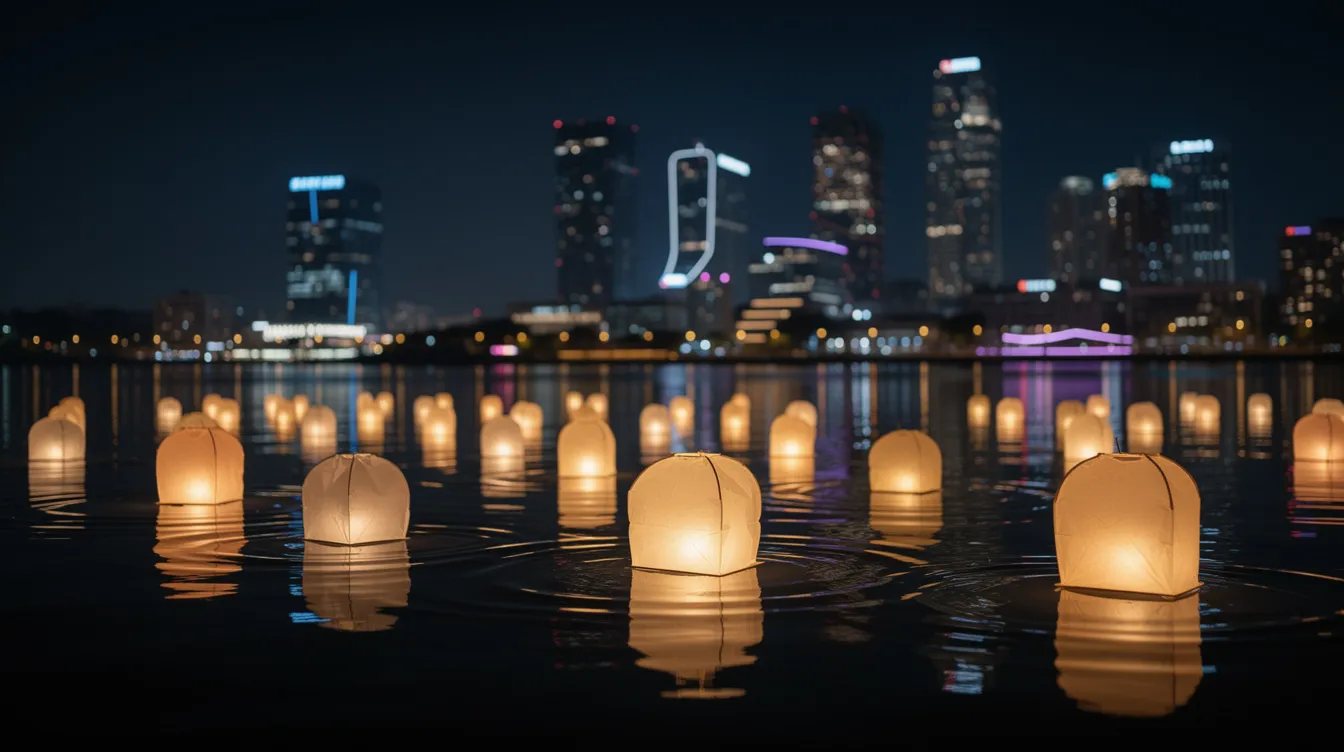
The full moon lantern festival happens monthly – electric lights dim and paper lanterns float on the Thu Bon River. If you’re here for a full moon, go. The upcoming dates in 2026: May 29, June 28, July 27. Position yourself away from the An Hoi Bridge at peak time – it gets dense.
Day trips worth taking
Two deserve the trip.
My Son Sanctuary sits 40km southwest – Hindu temple ruins built by the Cham civilization between the 4th and 13th centuries, UNESCO listed since 1999. Over 70 structures, built from fired red clay brick fitted together with such precision that the joints are nearly invisible. Researchers still debate the bonding technique – the leading theory is a vegetable resin from a native tree, but nobody has definitively confirmed it. The mystery is part of what makes the site interesting.
Morning is essential. The jungle valley has no shade and temperatures hit 38°C by 11am. Arrive by 7-8am, spend 2-3 hours, leave before the heat is brutal. Tours run $15-25 USD all-in, covering entry (150,000 VND) and transport.
Cham Islands are offshore – clear water, snorkeling, coral and reef fish. Day tours run $30-50 USD including speedboat from Cua Dai Pier, lunch, and gear. Only accessible March-September – sea conditions close the islands the rest of the year. If you’re visiting between October and February, the Cham Islands aren’t an option.
What to skip
Cyclo rides through the Old Town: $10-15 USD for 15 minutes on streets you can walk in the same time.
Hotel-sold cooking demonstrations: abbreviated versions of the real class. Skip the market sourcing, use pre-prepped ingredients. If you’re going to do it, do it properly.
Snake wine tasting tours: you can try snake wine anywhere. The guided “experience” adds nothing except markup.
Practical logistics
Da Nang International Airport is 45-60 minutes from Hoi An. Private car runs $9-15 USD one way – worth it for groups of two or more. Shared shuttles cost less but double the time with multiple hotel stops.
In town, rent a bicycle. The Old Town is mostly car-free. For anything beyond cycling distance, use Grab. The Hoi An GO gold-colored golf carts loop the Old Town borders – useful for getting around without sweating through your clothes.
The heritage ticket is 120,000 VND for five attractions within 24 hours.
Frequently asked questions
How many days do you need in Hoi An?
At least three to hit the highlights without rushing. A week if you want to eat everything, get something made by a tailor, and actually slow down. A month is not unreasonable – the town has a way of extending stays.
Is Hoi An worth visiting?
Yes, even with the tourist crowds. The food alone justifies the trip – Vietnamese cuisine at its most distinctive, at prices well below Ho Chi Minh City equivalents. The tailoring scene is legitimate. The Ancient Town is genuinely beautiful, not a reconstruction. An Bang Beach is 15 minutes away by bicycle. It’s touristy in places. Visit anyway.
What is the best time to visit Hoi An?
February to April. Dry, warm (25-30°C), not yet brutal. October to January brings typhoon season – rain, flooding that can reach street level in the Old Town, and rough seas that close the Cham Islands. June to August is hot and humid but workable if you do activities early and spend afternoons at the beach.
Is Hoi An expensive?
No. Street food and market meals run $2-5 USD. Mid-range restaurants are $8-15 USD. Bicycle rental is $2-3 a day. Budget accommodation starts around $19-25 a night. You can spend more – the boutique hotel scene earns it – but you don’t have to.
What should I buy in Hoi An?
Something made by a tailor, if you have three days and a reference photo. Lanterns if you have the bag space – most collapse into a cylinder. Vietnamese coffee and Robusta beans travel well and make good gifts. Silk is available everywhere but check quality carefully before buying – real silk has a distinct sheen and weight that synthetics can’t replicate.